Meet Shannon Mong, Psy.D.
A thoughtful partner in navigating life’s uncertainties and change
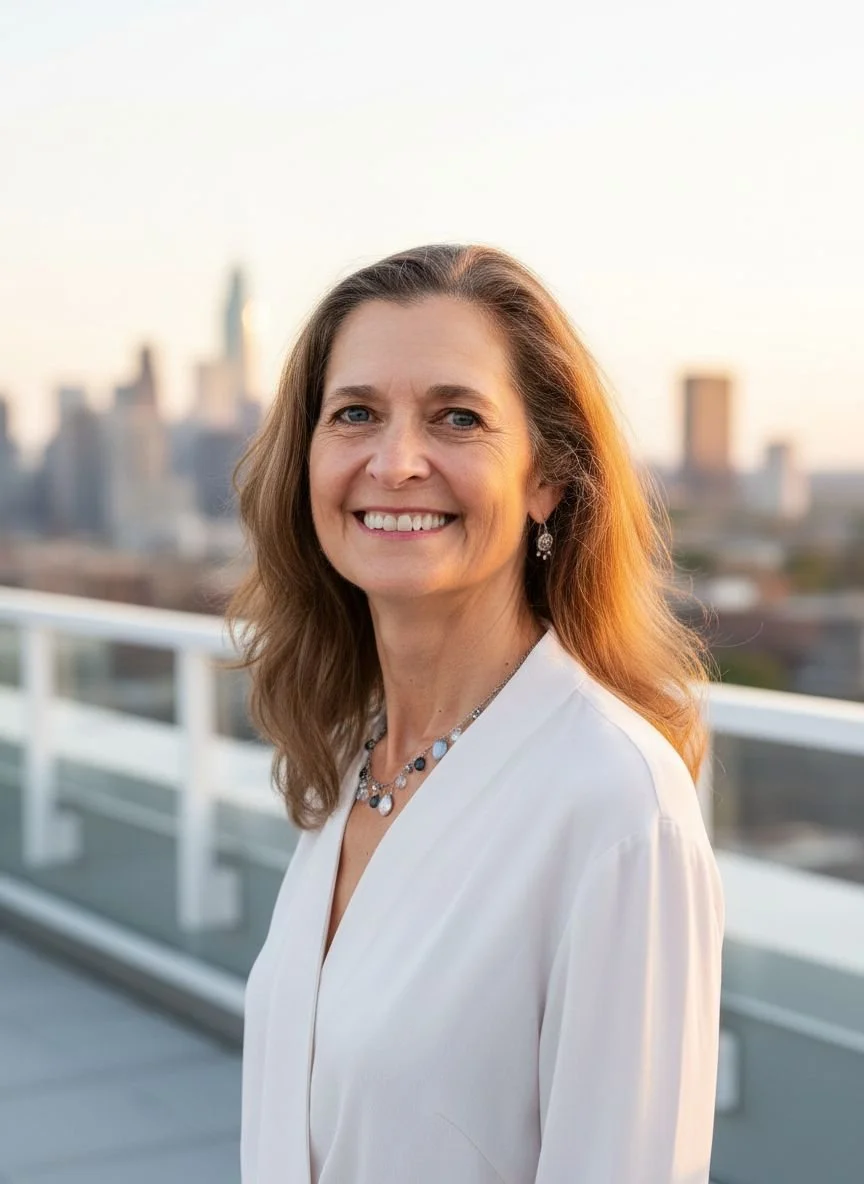
A lot goes on underneath the surface in therapy!
I listen for what’s beneath your words to see things from a new angle, help you make sense of what’s happening and picture what your life can become.
I frequently support people navigating:
Major life changes
Loss or grief
Feeling uncertain, stuck or unfulfilled
Emerging or chronic health issues
Life feeling heavier than expected
Our weekly therapy sessions are an opportunity to slow down, reflect, and make sense of your world. I provide a solid partnership to help you figure out and shift what's getting in the way, however the goal is not to “fix” you. Instead I support you developing deeper understanding, steadiness, and self-trust.
My approach is grounded in curiosity, careful attention, and respect for your unique lived experience.
Ready to slow down and explore a new perspective?
About Shannon Mong, Psy.D.
Psychologist providing therapy for adults and teensWhile I have a lot of expertise, I am not the expert on your life - you are!
What to expect from therapy sessions:
Curiosity. We’ll explore your present experiences, get curious about the past
Practicality. We will use research-grounded therapy strategies to find relief, one step at a time.
Collaboration. A space for reflection without pressure for quick answers.
My goal as a therapist is to create a safe, steady space and help you notice important patterns, gain insights, and experiment with small doable steps to gain hope, self-compassion, and feel connected and freer.
What Working Together Is Like
01
My Approach and Style
I’m told that working with me feels collaborative and respectful. I listen intently, honor your challenges and illuminate your successes. Gentle, direct (and sometimes irreverent), I use everyday language to ask questions.
02
How We’ll Work Together
I keep track of what you tell me, noticing how that fits into your bigger picture. With your permission, I share observations and hypotheses so we can explore those ideas and identify next steps together.
03
Client Perspectives
That’s how I describe my approach. What matters more is people’s experience of our collaboration. These anonymous & unsolicited statements echo themes I often hear from people about their therapy:
“I could take risks because I trusted you, knew you had the best interest in my well-being.”
“Even what the stuff we talked about was hard, I could be comfortable and honest with you.”
”You asked the right questions and were also direct when I needed it.”
“You guided me through both reflection and concrete steps.”
“Your kindness and humor were magnificent! I didn’t know I’d forgotten how to laugh, I feel light again.”

Experience & Training
Being granted a window into your life is a privilege, which I take seriously.
I believe the best therapists have lived life and trained thoughtfully.
This section describes my path to becoming a clinical psychologist, which wasn’t a straight line. Skip to the part that most interests you, or read them all.
-
My journey actually began at age twelve, when I randomly plucked All’s Quiet on the Western Front from a library shelf. The vivid descriptions of resignation, alienation, and moral fatigue during World War I resonated deeply, helping me understand the broken spirits in my own complicated family, I decided then (with naive, heartfelt confidence) to help others avoid that trauma.
While the journey led to becoming a licensed psychologist in 2006, I first traveled through careers in media and non-profit work. These experiences taught me how to communicate, the importance of non-violence, and the value of systemic change. Yet, I found my true calling in working with people one-on-one. I specialize in helping you move through your own "numbing" to find authentic connection and healing.
-
I received my foundational Master’s and then Doctoral training at the Wright Institute in Berkeley, California. This rigorous, APA-accredited program focused on clinical competence, complex diagnosis and treatment, multicultural awareness, and community service. My education emphasized deep, experiential learning, ethical practice, and critical thinking.
I strengthened this foundation through five years of intensive field training with extensive clinical supervision. Deeply interested in how lives unfold over time, I gained experience working with all ages—from young children to older adults. My field expertise included:
Trauma-informed care
Substance use recovery
Neurodivergence (autism, ADHD)
Developmental life changes (partnering, separating, parenting)
My dissertation, Lost in Translation: A Primer on Autism, focused on bringing clarity to the often-misunderstood experiences of individuals with autism, and their families.
I also hold advanced training in psychological assessment, a way of thinking I continue to apply to help clients make sense of their cognitive, emotional, and behavioral patterns.
-
Licensed as a clinical psychologist since 2006, my work is shaped by years of accompanying and guiding people through significant life changes. I focus on helping individuals understand themselves, develop practical strategies, and move forward with greater confidence and steadiness.
In addition to my clinical work, I have served as a leader in the public sector, a consultant, and a coach for emerging leaders. I also served on the Board of the College for Behavioral Health Leadership (2019-2024) and trained others nationally.

What’s the Difference Between a Psychologist and Therapist?
As a licensed psychologist providing virtual therapy for adults and teens in Oregon and Washington, I’m often asked about the differences between psychologists, therapists, and counselors.
If you’re uncertain what distinguishes these two types of mental health professionals, you’re not alone! When asked this question, my first response is that both professions typically complete about 3,000 hours of supervised clinical training, thus both can provide excellent therapy.
So, what’s different? Click on the overview of each profession to learn more..
-
Education & Training: Typically 5-7 years, which includes at least 4 years of study and produce a dissertation based on original research before obtaining a doctoral degree.
Degrees: Both a Clinical Psychologist (Psy.D.) and Psychologist (Ph.D.) receive training in scientific research, psychological theory, and treatment. A Psy.D. usually receives advanced training in clinical practice, assessment, and diagnosis while a Ph.D. focuses more on research.
Scope of Practice: Psychologists are trained to treat a broad range of ages and mental health conditions, provide psychological assessment, and integrate research into clinical settings.
Did you know? A Psychologist can refer to herself as a ‘therapist’ however a clinician with a master’s degree cannot refer to herself as a ‘psychologist.’
-
Education & Training: Typically 2-3 years which includes 2 years of academic study and producing a thesis before receiving a Master’s degree.
Degrees: Professional Counselor, Marriage and Family Therapist, Clinical Social Worker are trained to provide therapy, counseling, and mental health support, and in some instances case management.
Scope of Practice: Therapists and counselors are trained to provide therapy and support mild to moderate psychiatric conditions.
Considering Therapy?
Taking the first step doesn’t require having everything figured out.
If you’re wondering whether working together might be a good fit, I welcome you to schedule a free initial meeting.